


Introduction
Generative AI isn’t just a buzzword anymore—it’s pulling back the curtain on what we thought was possible in storytelling. Every day, new innovations are redefining movies & games—not just visually, but in how stories are conceived, produced, and experienced.
This blog peels back the layers of excitement and hype to reveal the unexpected truths, the ethical storms, and the promise behind generative AI’s influence on entertainment in 2025.
What Is Generative AI (Brief Refresher)
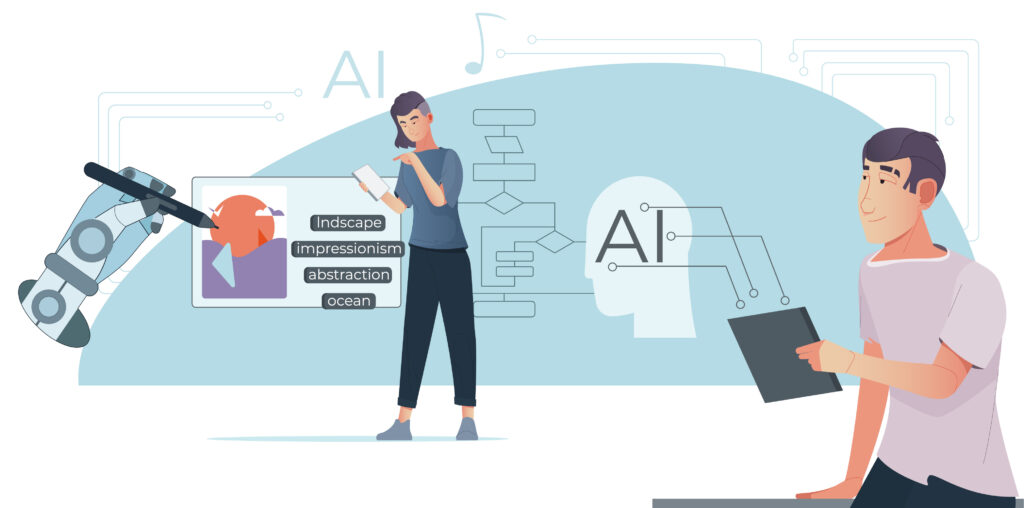
Generative AI refers to machine learning models that can create new content: images, text, voice, video, etc.
Examples include text generation (GPT-style), image/visual generation (Stable Diffusion, Midjourney), voice & video generative tools.
In movies & games, generative AI is being used not only for effects but for script-writing, character design, backgrounds, interactive storytelling, etc.
Real-World Examples & Unexpected Truths
AI and De-Aging & Visual Effects
One eye-opening use of AI has been in de-aging actors in films. For example, the movie Here (directed by Robert Zemeckis) used advanced generative AI techniques to portray Tom Hanks and Robin Wright over decades of aging without the traditional, more labor-intensive CGI approach. WIRED
This seems amazing, but there are controversies: ethics of altering images, actor consent, and potential misuse of likenesses in ways the actors didn’t agree to.
Upcoming Films Built with Generative AI
Echo Hunter: A sci-fi short film, under 30 minutes, made almost entirely with generative AI, including virtual and vocal performances of a SAG-AFTRA cast. Shows potential of quality storytelling on smaller budgets. TechRadar
Uncanny Valley: Directed by Natasha Lyonne, partly using AI-driven visual elements and co-written with AI-aware practices. The project highlights responsible sourcing of training data and balancing artist integrity. The Verge+1
Gaming & Interactive Worlds Going Beyond Predefined Content
While full-scale AI-generated AAA games are still rare, advances are happening in:
Dynamic NPCs (non-player characters) that adapt to players’ style or create branching dialogue.
AI generating environmental assets, terrains, textures, or even quests procedurally based on player choices.
Studios planning many “AI films” (smaller scale) or interactive experiences using AI for key parts of content creation. PetaPixel
The Benefits That are Hard to Ignore
Speed & Cost Efficiency
Generative tools reduce time in VFX, asset creation, character modeling. What used to take weeks/months can be done in days or hours.Accessibility for Indie Creators
Creators without big studios can produce high-quality visuals or generate content, leveling the field.Personalization & Immersion
Games & movies can adapt to individual users: customized visuals, story paths, or dialogue that reacts to emotions or actions.Creative Freedom & Experimentation
Artists experimenting with surreal visuals, new styles, mixing genres, because generative AI removes some constraints.
The Dark Side: Risks, Ethical Problems & What We’re Overlooking
Authenticity and Artistic Credit
When AI is used heavily, who gets credit? The human artist? The AI? The model’s trainer? Some films like Emilia Pérez and The Brutalist faced backlash for AI usage in voice, raising questions about authenticity. Daily BruinCopyright & Data Usage
Generative models are trained on vast datasets—images, text, voice—sometimes without proper licensing. This leads to legal and moral grey areas.Misuse & Deepfakes
Realistic fakes can spread misinformation. Facial and voice manipulation can be used genuinely in art, but also maliciously.Unintended Bias & Cultural Insensitivity
Models trained on certain cultural or language data might misrepresent or stereotype others.Over-promise vs Reality
Sometimes AI tools advertised as “fully AI” are actually mixed-inputs, large human oversight, or heavy post-editing. Not all automation is as “magical” as shown in demos.
What to Expect in 2025 and Beyond

Hybrid Productions: Most big features will use AI but not rely solely on it. Human writers, artists, and directors will collaborate with AI tools.
Regulation & Transparency: As seen with industry backlash, there will be stronger calls for disclosure of AI usage (how much, which parts) in films & games.
More AI-Generated Shorts, Indies, and Experimental Work: These will push boundaries more aggressively than mainstream blockbusters.
Tools Getting More Specialized & Ethical: Models trained on licensed datasets, more tools for artists to control generative outputs, better guardrails.
Conclusion
The rise of generative AI in movies and gaming is both thrilling and complex. On one hand, it unlocks new levels of creativity, reduces entry barriers, and makes the impossible visually possible. On the other, it challenges ideas of originality, ethics, and responsibility.
The shocking truth isn’t that AI is changing entertainment—it’s how quickly it’s doing so, and how many decisions still need careful thought. If creators, studios, and audiences stay aware, this change can be positive. Otherwise, some of the “magic” might come at a cost.
FAQs
Q1. Will generative AI replace scriptwriters and game designers?
Likely not entirely. AI can assist, but human creativity, intuition, emotional nuance still matter deeply.
Q2. How can I tell if a movie or game used generative AI?
Look for interviews, credits, disclosures. Sometimes studios mention “AI-assisted VFX” or “AI used in production.”
Q3. Is generative AI content protected by copyright?
It depends on local laws and how models were trained. If the model used copyrighted works without permission, there could be legal issues.
Q4. As a gamer or viewer, should I care about this shift?
Yes. This affects how content is created, who gets credit, possible misuse (deepfakes), and how much authenticity you can expect.