


Introduction
The digital world is expanding — and so are cyber threats.
From ransomware and identity theft to AI-driven attacks, 2025 has brought an entirely new era of cybersecurity challenges.
Whether you’re an individual, business owner, or developer, safeguarding your digital identity and data is no longer optional — it’s essential.
In this guide, we’ll explore the 10 most powerful cybersecurity strategies you can adopt today to protect your data, devices, and online presence.
1.Use Multi-Factor Authentication (MFA) Everywhere
Passwords alone are no longer safe.
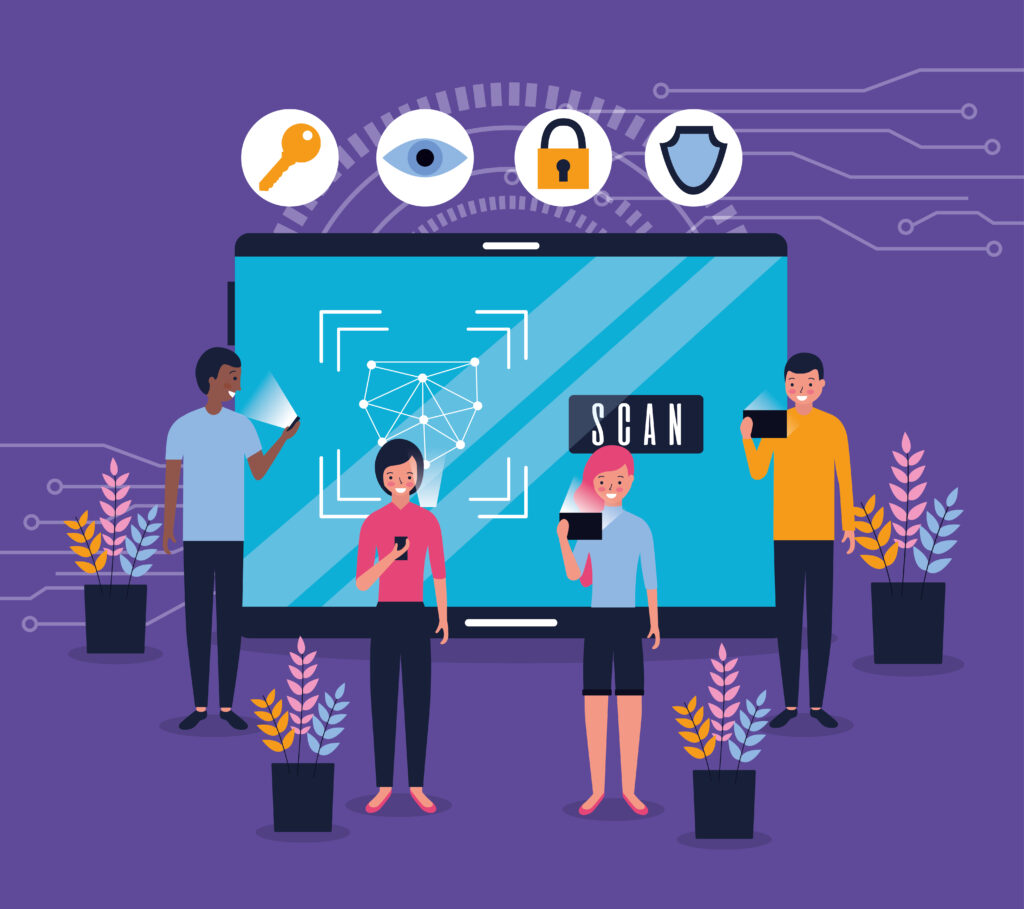
Enable MFA on every account possible — from social media to banking.
Even if hackers steal your password, they can’t log in without your verification code or biometric authentication.
Pro Tip: Use an authenticator app (like Google Authenticator or Authy) instead of SMS-based codes for better protection.
2.Stay Alert Against Social Engineering
Hackers don’t always attack your system — they attack you.
Phishing emails, fake tech support calls, and AI-generated scams are on the rise in 2025.
Rule of thumb: Never share personal info or click links from unknown senders.
Always verify through official websites or numbers.
3.Regularly Backup Your Data
Ransomware is one of the most damaging cyber threats today.
Regular backups ensure you never lose critical data, even if your system is hijacked.
Use both:
Cloud storage (encrypted)
Offline backup (external drive)
4.Keep Software and Devices Updated
Most hacks happen through outdated software.
Always update your operating system, browsers, and apps to close known vulnerabilities.
Tip: Enable automatic updates and use a trusted antivirus that updates its threat database daily.
5.Secure Your Network Connection
Public Wi-Fi can be a hacker’s playground.
Use a VPN (Virtual Private Network) to encrypt your traffic and prevent data interception.
If you manage a business, invest in firewalls and intrusion detection systems for enterprise-grade protection.
6.Monitor Your Digital Footprint
Your personal information is everywhere online — and cybercriminals know it.
Regularly search your name and email on “Have I Been Pwned” to check for breaches.
Use identity monitoring tools to track unusual logins or leaked data on the dark web.
7.Educate Your Team and Family
Cybersecurity is a team effort.
Train employees and family members about:
Recognizing phishing attempts
Using strong passwords
Avoiding unknown links and downloads
Awareness is your first defense against 90% of attacks.
8.Protect Against Ransomware
In 2025, ransomware attacks are targeting individuals, hospitals, and even schools.
Protect yourself by:
Avoiding suspicious email attachments
Backing up regularly
Using endpoint protection tools like Bitdefender, CrowdStrike, or Malwarebytes
9.Adopt Zero-Trust Architecture (ZTA)
Businesses in 2025 are moving toward a Zero-Trust model — meaning, no one is trusted by default, not even internal users.
This approach involves:
Strict identity verification
Continuous monitoring
Least privilege access controls
ZTA significantly reduces breach risks in modern organizations.
10.Stay Informed About Emerging Threats
Cyber threats evolve daily — stay updated through cybersecurity blogs, threat feeds, and alerts from trusted sources like:
CISA.gov
Krebs on Security
The Hacker News
The more you know, the better you can defend yourself.
Conclusion
Cybersecurity in 2025 is no longer about installing antivirus software and hoping for the best.
It’s about constant awareness, smart practices, and layered protection.
Whether you’re protecting your phone, your company’s data, or your digital identity, the key takeaway is simple:
Be proactive, not reactive.
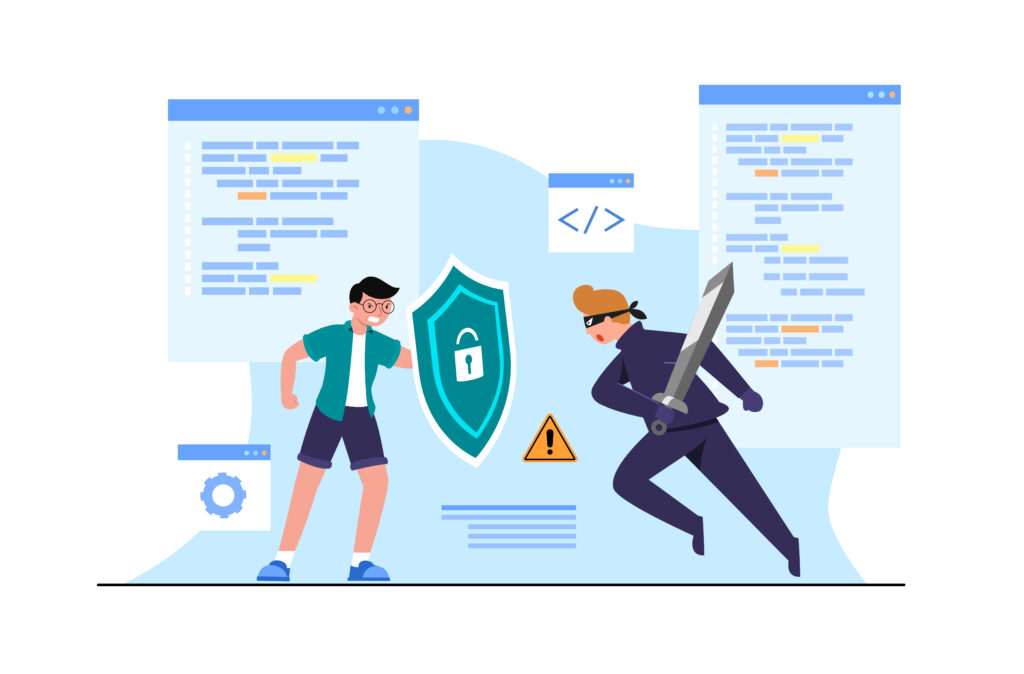
In a world driven by data and automation, cybersecurity is your shield for the future.
Frequently Asked Questions (FAQs)
1. What are the biggest cybersecurity threats in 2025?
In 2025, the top threats include AI-driven phishing attacks, ransomware, deepfake scams, and quantum hacking.
These new-age attacks exploit automation and human error to breach security systems faster than ever.
2. How can individuals protect themselves from cyber attacks?
You can stay protected by:
Enabling multi-factor authentication
Keeping your devices and apps updated
Avoiding suspicious links
Using VPNs on public networks
Regularly backing up your data
Even simple habits like using strong, unique passwords can prevent 80% of breaches.
3. What is Zero-Trust Security?
Zero-Trust Architecture (ZTA) is a cybersecurity model that assumes no user or device — inside or outside the network — is automatically trusted.
It continuously verifies identities and enforces strict access control, minimizing risks from internal and external threats.
4. How does AI impact cybersecurity in 2025?
AI plays both sides — it helps in threat detection and automation for defense, but hackers also use AI to create realistic phishing scams, deepfakes, and adaptive malware.
That’s why organizations are turning to AI-driven cybersecurity tools to counter AI-based attacks.
5. What are the best cybersecurity tools for home users?
For personal protection in 2025, consider these trusted tools:
Bitdefender Total Security – antivirus & ransomware protection
NordVPN or ProtonVPN – secure network connection
1Password – strong password management
Malwarebytes – malware cleanup and defense
6. What should I do if I suspect a data breach?
Immediately:
Change your passwords on all accounts
Enable MFA
Check for unusual activity in bank accounts or emails
Run a full antivirus scan
Notify affected services or institutions (like your bank)
7. Is cybersecurity only for businesses?
No — cybersecurity is for everyone.
Every person with a smartphone, email account, or social media profile is a potential target.
Practicing personal cybersecurity is as important as corporate defense.
8. What is the future of cybersecurity?
The future is AI-driven, decentralized, and proactive.
We’ll see widespread adoption of post-quantum encryption, zero-trust networks, and AI-based defense systems that can predict attacks before they happen.