


Introduction
Mental health has become one of the defining challenges of the 21st century. Reports show that over 1 billion people worldwide experience mental health disorders, with depression and anxiety leading the list. Yet, access to professional care remains limited due to cost, stigma, and lack of available therapists.
This is where Artificial Intelligence (AI) enters the conversation. Far from being science fiction, AI is already present in mental health apps, chatbots, wearables, and predictive tools. These technologies aim to bridge the gap between need and access, helping people manage stress, track emotions, and even detect early signs of mental illness.
But the question remains: Can AI genuinely improve our mental well-being, or is it just another tech trend?
The Growing Mental Health Crisis in 2025

According to the World Health Organization (WHO), the global economy loses over $1 trillion annually in productivity due to mental health conditions.
Remote work and digital overload have blurred the boundaries between work and personal life, increasing burnout rates.
Social media and constant connectivity have fueled comparison anxiety and loneliness, especially among younger generations.
The result? A growing mental health crisis with millions unable to access traditional care. AI-powered solutions are stepping in to make help more scalable, affordable, and personalized.
How AI Is Supporting Mental Health
AI-Powered Chatbots and Virtual Therapists
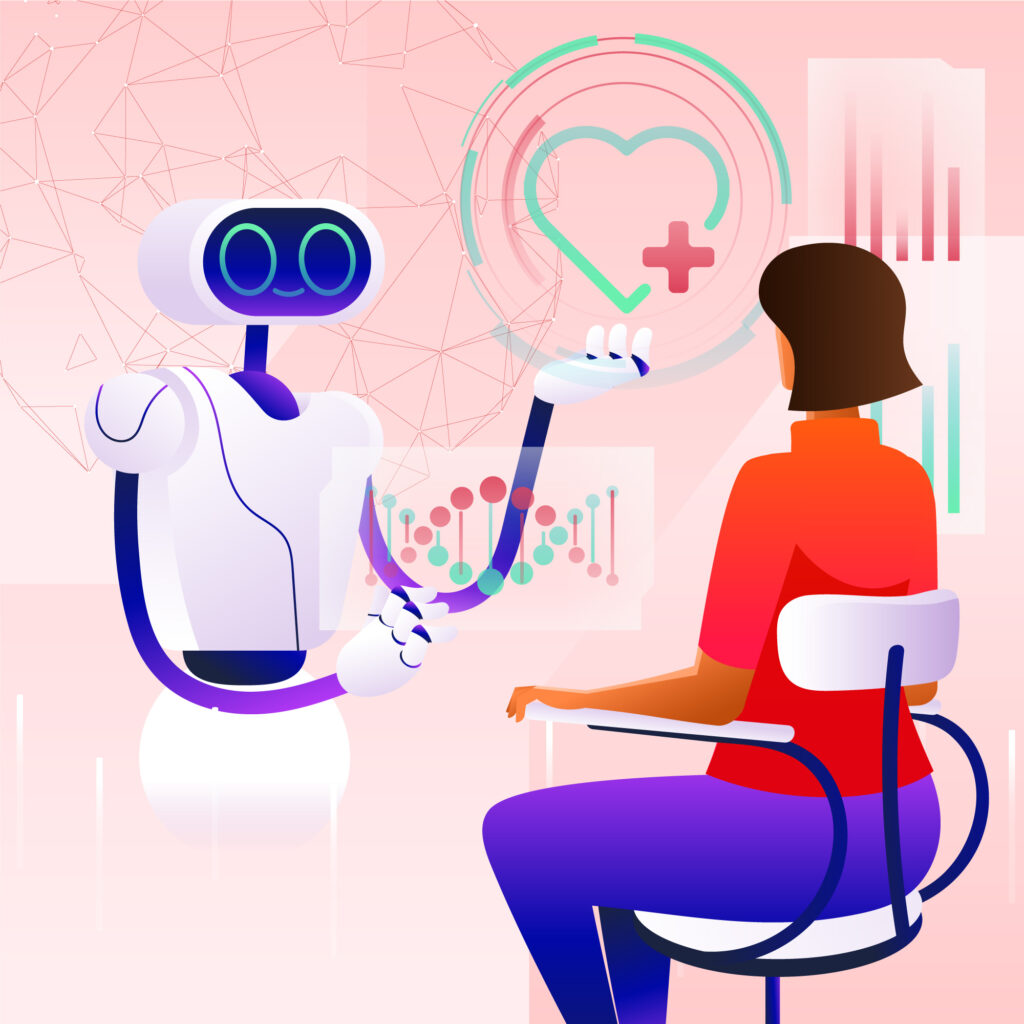
Virtual mental health assistants like Woebot, Wysa, and Replika are changing how people seek support. These chatbots are based on cognitive behavioral therapy (CBT) techniques and can guide users through managing negative thoughts, practicing mindfulness, or coping with daily stressors.
Woebot: Uses natural language processing to have empathetic, CBT-based conversations.
Wysa: Offers AI-guided emotional support, combined with access to human coaches if needed.
Replika: An AI companion designed to provide emotional connection and reduce loneliness.
They don’t replace licensed therapists, but they provide instant, stigma-free support — often the first step toward healing.
Personalized Mental Wellness Apps
AI is making wellness apps smarter than ever. Instead of one-size-fits-all meditation sessions, apps like Headspace and Calm now use AI to personalize content based on your mood, habits, and stress levels.
Daily mood check-ins can trigger customized meditation or breathing exercises.
Journaling apps powered by AI analyze emotions in text and provide feedback.
Fitness trackers like Fitbit and Apple Watch now integrate with AI mental wellness features, linking physical health with mental well-being.
This personalized approach makes self-care more relevant and effective.
AI for Early Detection of Mental Health Issues
One of AI’s most promising roles is predictive mental health analysis. By examining subtle signals in speech, writing, or even biometrics, AI tools can flag early signs of depression, anxiety, or stress.
For example:
Universities are testing AI tools that monitor students’ writing for warning signs of depression.
Wearables can detect changes in sleep patterns, heart rate variability, or physical activity, which may indicate emotional distress.
Healthcare systems are beginning to integrate AI into telehealth platforms, offering early intervention before issues worsen.
This shift from reactive treatment to proactive care could be a game changer.
Benefits of AI in Mental Health
The rise of AI in mental health comes with tangible advantages:
Accessibility: AI chatbots and apps are available 24/7, unlike traditional therapy limited by schedules.
Affordability: Many AI apps are low-cost or even free, making support available to those who can’t afford therapy.
Reduced Stigma: People hesitant to seek human help feel safer starting with an AI tool.
Consistency: AI tools provide non-judgmental, standardized responses every time.
Scalability: A single app can reach millions globally, breaking down barriers to care.
For many, AI is the first step toward getting help — and sometimes, that step makes all the difference.
Risks and Ethical Concerns
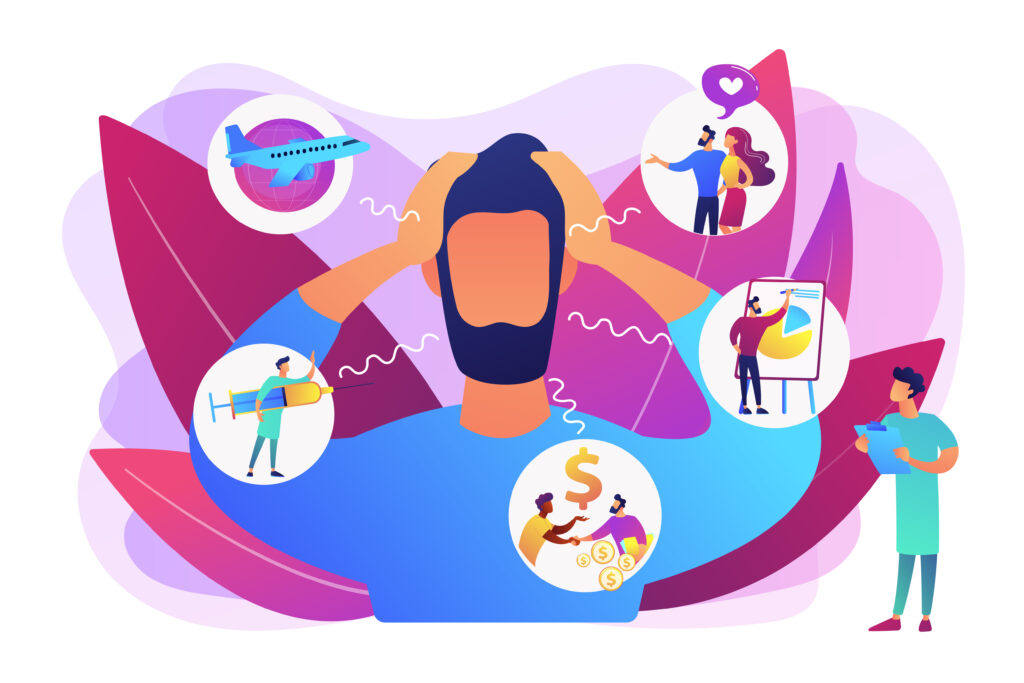
Of course, AI in mental health is not without drawbacks:
Lack of Human Empathy: No matter how advanced, AI cannot fully understand human emotions or provide true compassion.
Data Privacy Risks: Sensitive conversations stored by apps could be misused if not properly secured.
Risk of Misdiagnosis: Algorithms may misinterpret data, giving harmful or inaccurate advice.
Over-Reliance: Users may delay seeking professional help, relying too much on AI solutions.
Bias in Algorithms: If AI models are trained on limited datasets, they may not accurately reflect diverse cultural and emotional contexts.
To move forward, AI mental health tools must be paired with regulation, transparency, and strong privacy protections.
Future of AI and Mental Health in 2025 and Beyond
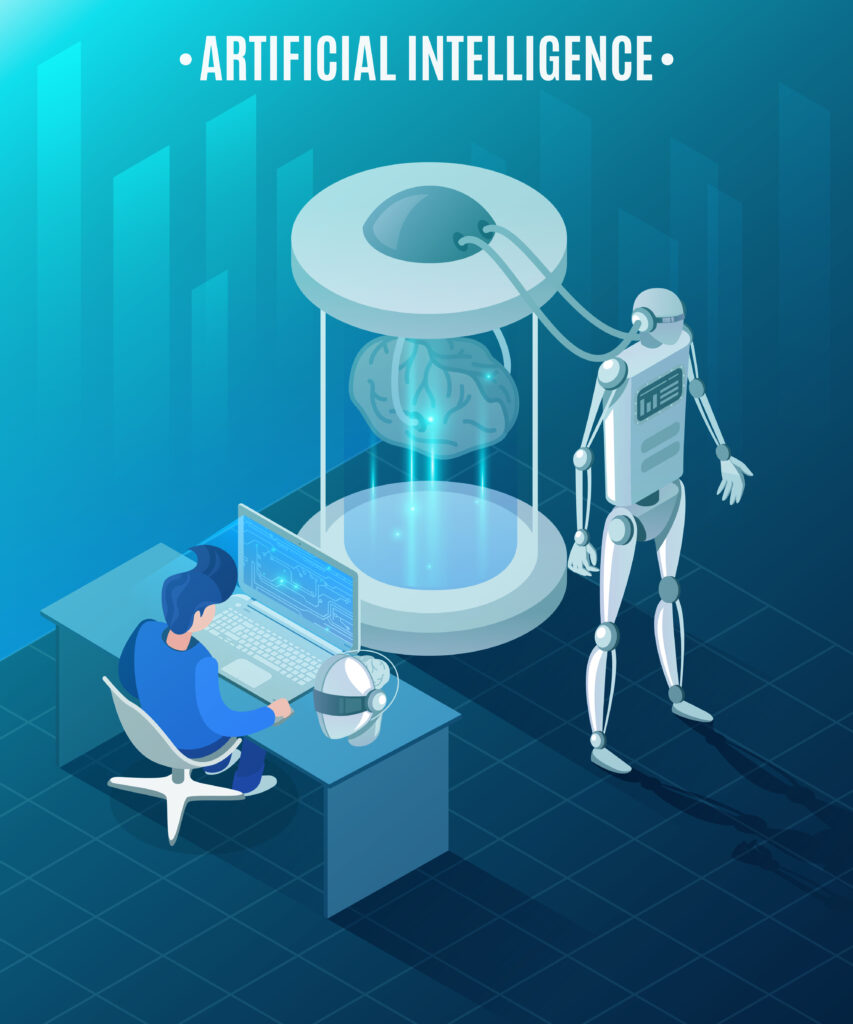
The future is collaborative, not competitive: AI will not replace therapists but will act as a co-pilot for mental wellness.
Hybrid Therapy Models: Many therapists are already using AI tools to complement sessions, track patient progress, and identify risk factors.
Wearable AI Devices: Imagine a smartwatch that senses rising stress levels and automatically suggests breathing exercises or alerts a therapist.
Workplace Mental Health: Companies are investing in AI platforms that monitor employee well-being and offer proactive support.
Global Reach: AI can bring mental health care to underserved regions where professionals are scarce.
By 2030, AI is expected to play a role in preventive mental health care, reducing the global burden of untreated conditions.
Conclusion
AI has the potential to redefine how we approach mental health. From chatbots offering 24/7 support to predictive tools detecting issues early, it makes care more accessible, affordable, and stigma-free.
Yet, it comes with limitations. True healing often requires human empathy, cultural understanding, and trust — elements AI cannot replicate. The best path forward is a balanced approach, where AI empowers both individuals and professionals to build healthier, more connected lives.
✅ Final Thought: AI won’t replace the human touch, but it can be the helping hand that makes mental health support available to all.
FAQs
1. Can AI replace human therapists?
No. AI can guide and support, but it cannot replace the empathy, intuition, and expertise of human professionals.
2. What are the best AI mental health apps in 2025?
Some leading apps include Wysa, Woebot, Replika, Calm, and Headspace with AI-driven personalization.
3. Is AI safe for handling sensitive mental health data?
Yes, but only when companies follow strict privacy and security standards. Always check policies before sharing personal information.
4. How can AI detect mental health issues early?
By analyzing voice patterns, text entries, biometric data, and online behavior, AI can flag potential risks before they escalate.
5. Will AI make therapy obsolete?
Not at all. Instead, it will complement therapy, helping professionals scale their reach while patients receive extra daily support.