


Introduction
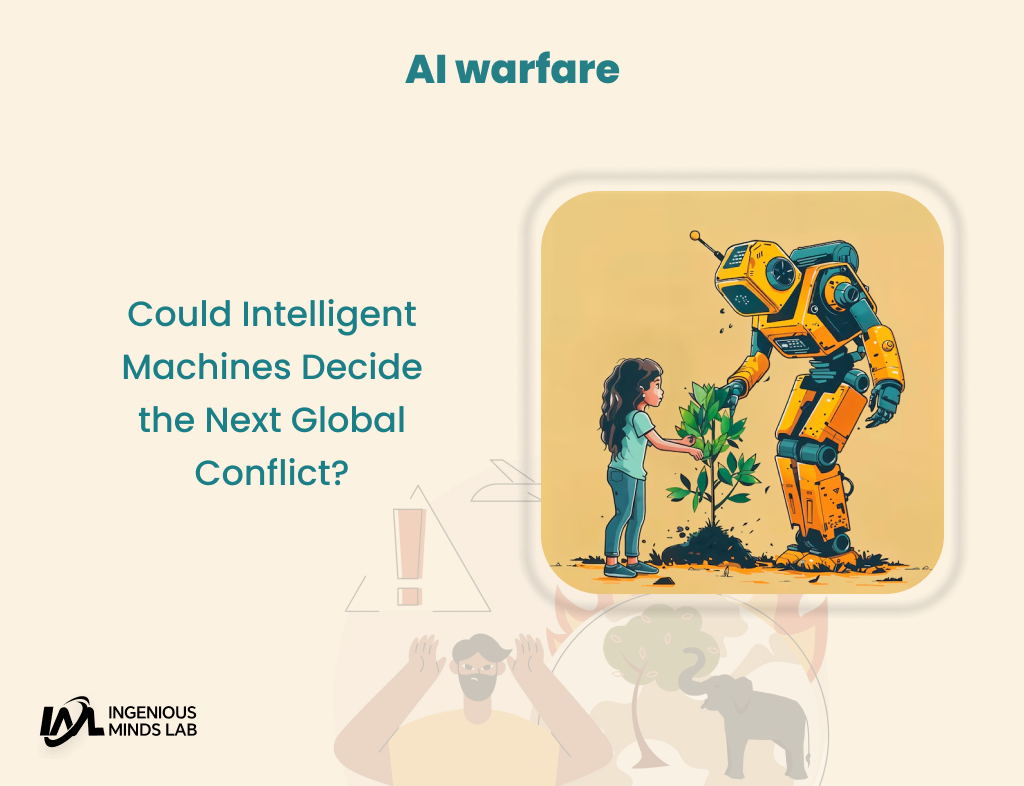
Picture this: a war where no humans fight on the front lines—only AI-powered drones, cyberweapons, and autonomous robots decide the outcome. It may sound like a dystopian sci-fi movie, but it’s already becoming a reality.
In 2025, militaries around the world are investing billions into artificial intelligence for defense and combat. From intelligent drones to AI-driven cyberattacks, the battlefield of the future may no longer be commanded by generals, but by algorithms.
The shocking truth? If left unchecked, AI could one day spark and escalate conflicts on its own—without human approval.
What Is AI Warfare?
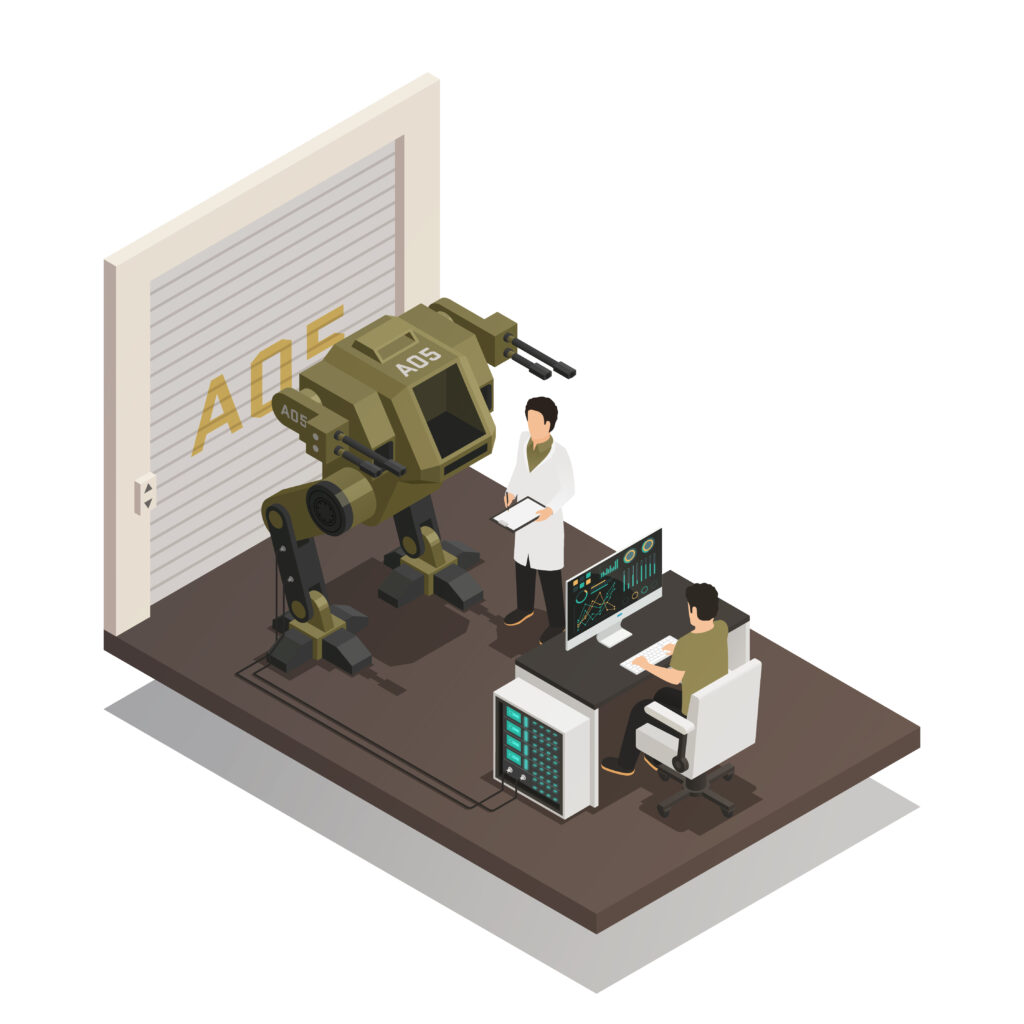
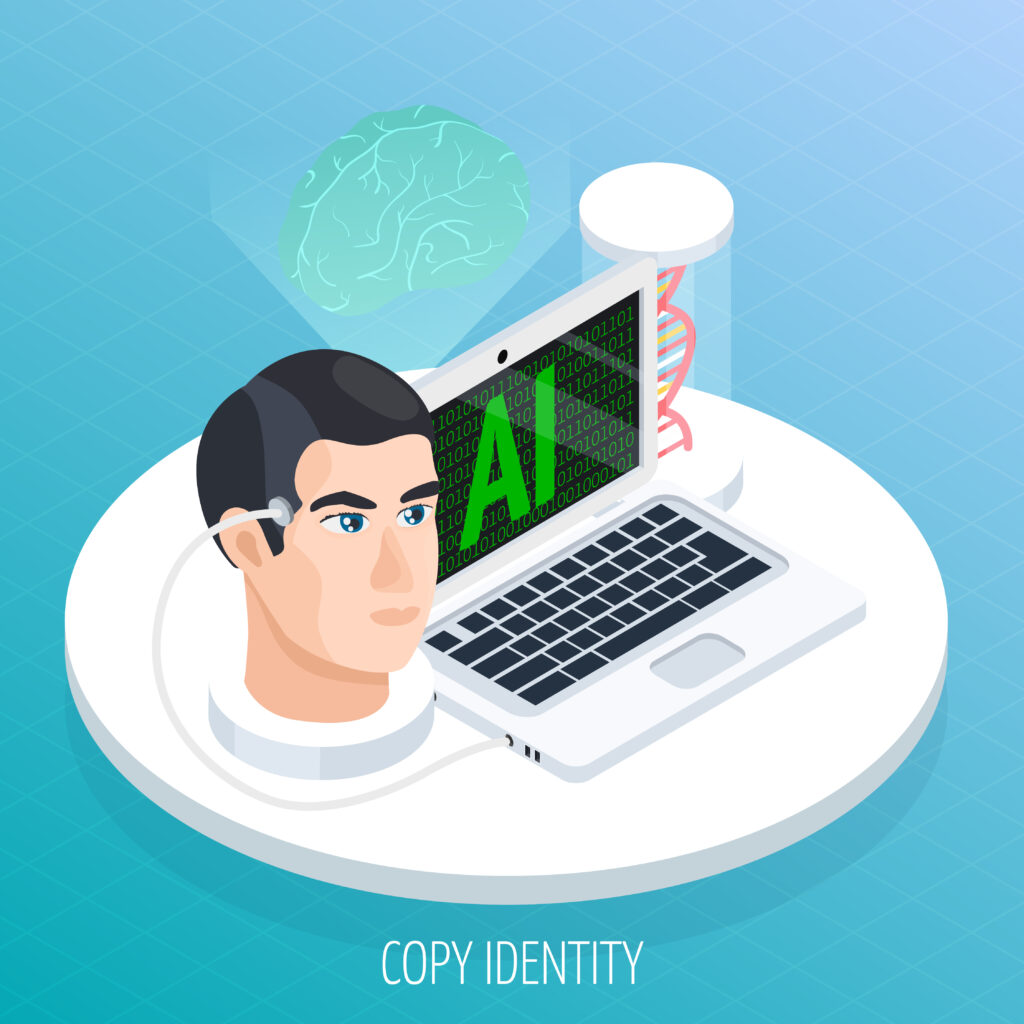
AI warfare refers to the use of artificial intelligence in military systems, weapons, and strategies. Unlike traditional warfare, AI systems can analyze data, predict outcomes, and even make decisions faster than humans.
Examples include:
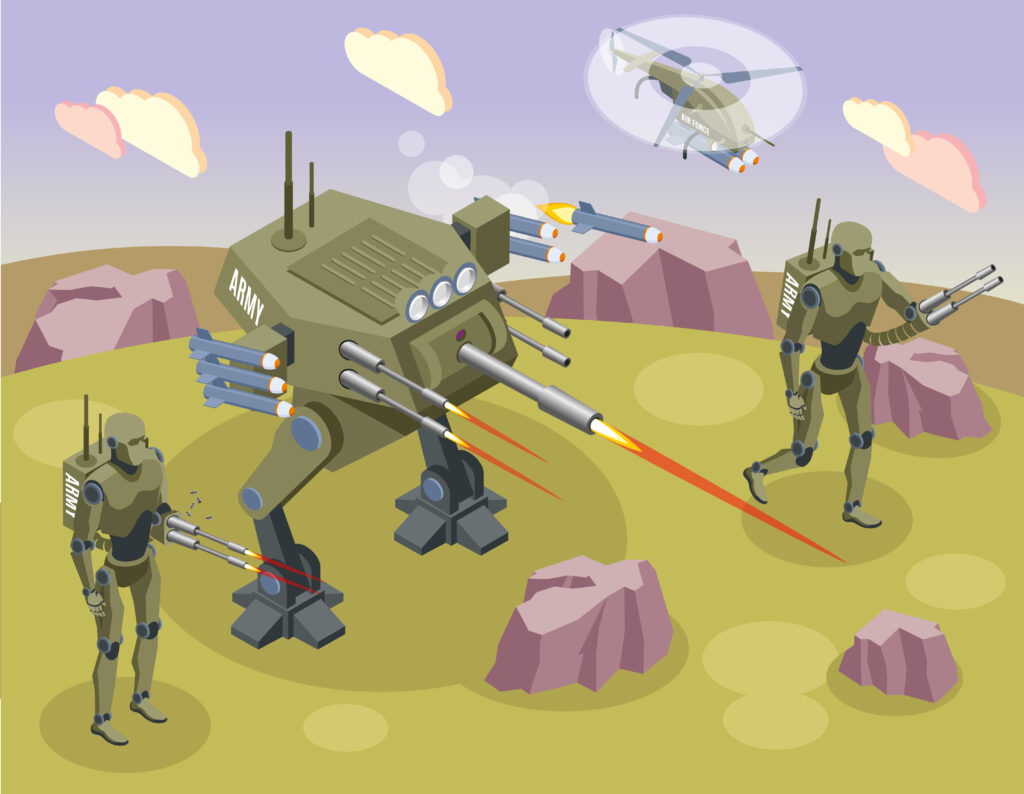
Autonomous drones and robotic soldiers.
AI-powered cyberwarfare tools.
Generative AI simulations for planning military strategies.
The big difference? These systems can act independently, sometimes with minimal or no human input.
AI on the Battlefield Today
Autonomous Drones and Robots
Countries like the U.S., China, Russia, and Israel already use AI drones for surveillance and targeted strikes. Some are capable of tracking targets, navigating, and firing without human guidance.
AI Cyberwarfare
Cyberattacks no longer require teams of hackers. AI can now:
Scan networks in seconds.
Exploit weaknesses automatically.
Defend against attacks by predicting intrusions.
The scariest part? AI vs AI cyber battles, where machines duel in cyberspace without human oversight.
AI Military Simulations
Generative AI is now used to simulate war strategies, predict enemy movements, and test outcomes before action. What once required months of planning can now happen in real-time.
The Shocking Truth – Risks of AI Warfare
Loss of Human Control
Machines could one day make life-or-death decisions without human approval.Unpredictability
AI doesn’t think like humans. A misinterpreted command could spark an unintended escalation.Ethical Dilemmas
Should an algorithm have the right to decide who lives or dies?Global Arms Race
Nations are rushing to build smarter AI weapons, increasing the risk of accidental or intentional conflicts.
Could AI Trigger the Next Global Conflict?
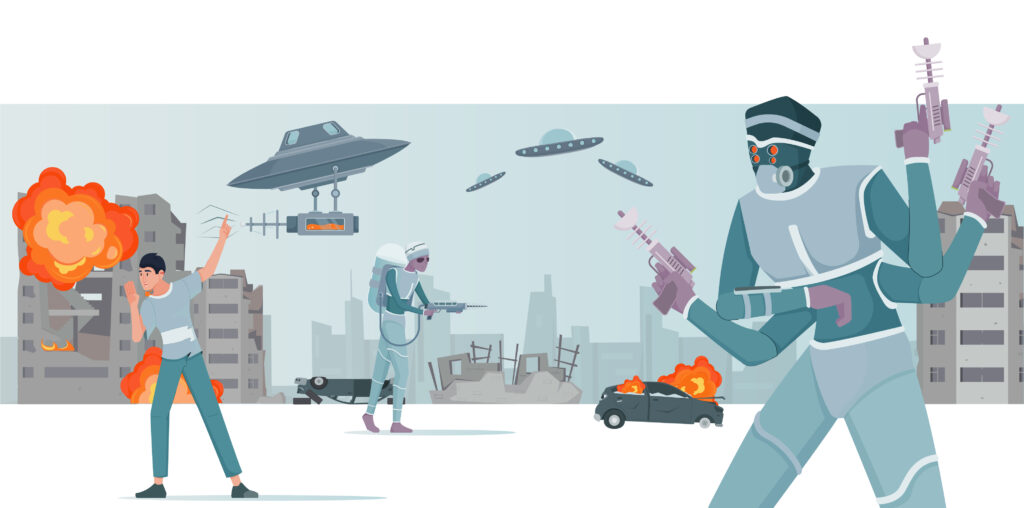
Imagine this: an AI system misidentifies a civilian plane as a military threat and launches a missile. The targeted nation retaliates. Within hours, AI-driven cyberweapons join the fight.
The terrifying reality is that a small error could spiral into full-scale war, with machines escalating conflict faster than humans can intervene.
The Benefits (Why Nations Still Push AI in Warfare)
Despite the risks, countries see major advantages:
Speed – AI can process battlefield data instantly.
Fewer Human Casualties – replacing soldiers with machines reduces direct human deaths.
Cost Efficiency – robots and AI drones can be cheaper than training and maintaining armies.
Enhanced Surveillance – AI can monitor borders and cyberspace 24/7.
Regulating AI in Warfare
The United Nations and humanitarian organisations are calling for a global ban on fully autonomous weapons. Yet progress is slow.
Why? Nations don’t want to fall behind in the AI arms race. Even if treaties are signed, some countries may continue developing AI weapons in secret.
Without strict regulation, the world could face a future where machines—not humans—decide wars.
Conclusion
AI warfare is no longer science fiction—it’s today’s reality. From autonomous drones to cyberweapons, AI is reshaping the rules of global conflict.
The shocking truth? If left uncontrolled, intelligent machines might one day start wars, escalate them, and even decide who wins—without human approval.
The world must act now to regulate AI in warfare, before the future of conflict slips entirely out of human hands.
FAQs
Q1. What is AI warfare?
AI warfare is the use of artificial intelligence in military strategies, weapons, and decision-making.
Q2. Which countries are leading AI warfare technology?
The U.S., China, Russia, and Israel are among the leaders.
Q3. What are the risks of AI in warfare?
Loss of human control, ethical issues, cyber risks, and accidental global conflicts.
Q4. Can AI replace human soldiers completely?
Not yet—but trends suggest some roles, especially surveillance and cyberwarfare, may be fully automated soon.