


Introduction
Investing has always meant owning something tangible—land, a painting, or gold bars. But what if you could own just a fraction of that real estate property or a slice of a famous painting without huge capital? That’s what tokenizing real-world assets (RWAs) makes possible.
In 2025, RWA tokenization is no longer niche. Institutional players, startups, and governments are working to convert real assets into digital tokens. From real estate developers in Dubai to luxury art fractional owners in Europe, the future of investing is becoming more inclusive, liquid, and transparent.
What Are Tokenized Real-World Assets (RWAs)?
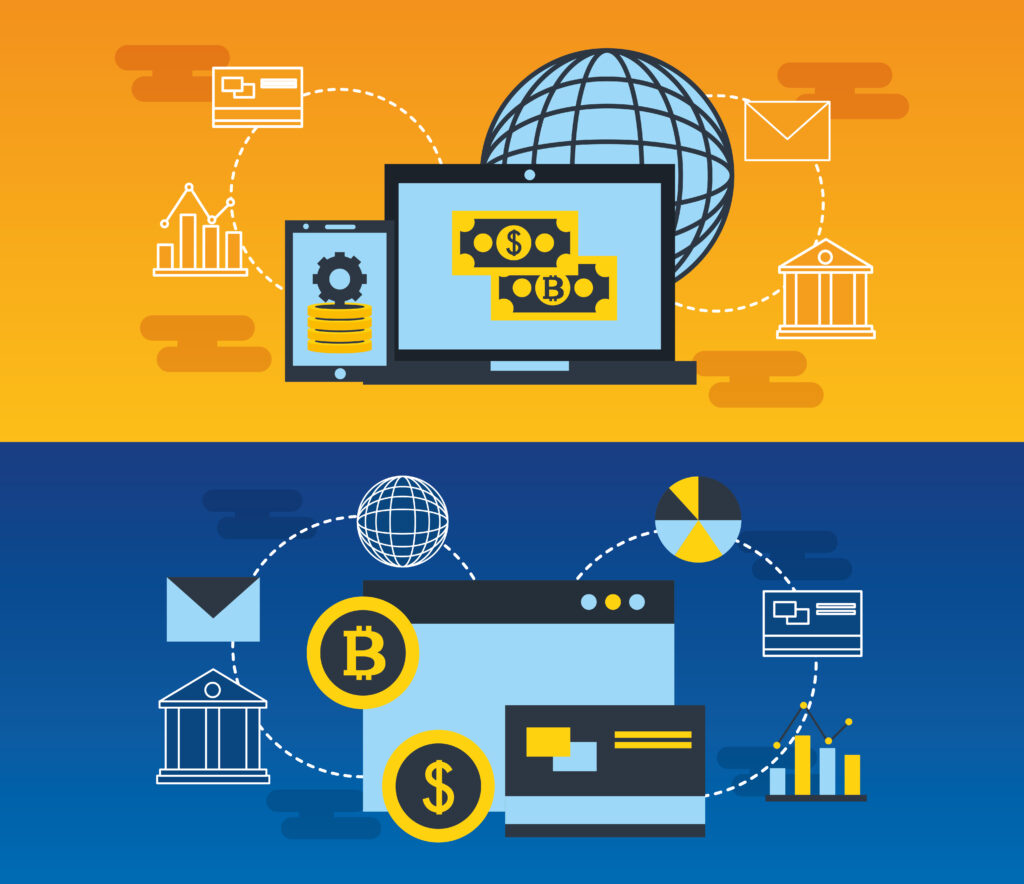
They are physical or financial assets (property, gold, artworks, bonds) represented digitally on a blockchain.
Tokenization splits ownership into tokens, so many people own small parts rather than one person owning everything.
These tokens live on smart contracts and can—depending on the platform—be traded, rented out, or sold like shares.
Why 2025 Is the Breakthrough Year for RWAs
Big deals & real money
In 2025, DAMAC Group in Dubai signed a $1 billion deal with MANTRA to tokenize properties and data centers. Reuters
Platforms like Ondo Finance are issuing tokenized U.S. Treasuries, bringing institutional-grade assets on-chain. Analytics Insight+1
More platforms & compliance tools
Platforms like Securitize, Centrifuge, Polymesh, etc., are becoming stronger players. They integrate KYC/AML, legal compliance, and institutional grade features. Medium+2Bitcoinist.com+2
New blockchains (Layer-1s and Layer-2s) are optimized for RWAs—lower fees, faster finality, regulatory features like permissioned tokens. Bingx Exchange+1
Demand and liquidity
Fractional ownership makes high-value assets (luxury property, art) accessible to smaller investors.
Liquidity improves: tokens can be bought/sold more easily than traditional real estate or art.
Benefits of Tokenization

Accessibility & fractional ownership
Anyone with a small amount of capital can invest in expensive assets.Transparency & immutable records
Blockchain ensures ownership records are transparent and tamper-proof.Liquidity for illiquid assets
Art, property, or rare collectibles, which used to sit idle, can be fractionally traded.Speed & lower entry costs
Smart contracts automate issuance, transfers, and dividend distributions, reducing overhead.
Risks & Challenges
Regulatory uncertainty
Laws vary across countries; in many places, tokenized assets are still in legal grey areas.Security risks
Smart contract bugs, hack risks, and platform vulnerabilities.Valuation issues
How do you fairly price an artwork or property token? What about appraisals, maintenance, and liquidity discounts?Custody and redemption
For some assets (like physical gold or real estate), tokens must be backed by true custody and clear redemption rights.Market adoption & trust
Investors need to trust that tokens represent real value—not just hype. Transparency, auditing, and legal enforceability are key.
Real-World Examples in 2025
DAMAC + MANTRA deal in Dubai to tokenize real estate and property assets. Reuters
Ondo Finance: tokenized U.S. Treasuries, bridging TradFi assets on-chain. Analytics Insight+1
Securitize: active in tokenizing debt, fund shares, private equity; strong compliance focus. Medium+1
Plume Network: Emerging blockchain focused on regulatory-friendly RWA tokenization. Wikipedia+1
How Investors Can Get Started
Choose reliable platforms
Look for ones with good audits, compliance, and clear redemption mechanics.Understand the asset backing the token
Ask: Is it real property? Gold? Who owns it? Where is it stored or held?Regulatory check
Your country’s law must recognize tokenized securities or assets. Know tax, ownership, and transfer regulations.Start small
Begin with fractional real estate or gold-backed tokens. Learn how liquidity works in these markets.Diversify
Don’t put all investment into one asset type or platform. Tokenization does not eliminate all risks.
The Future: What’s Next for RWAs
Cross-chain interoperability of tokenized assets (projects like xRWA are designing frameworks so RWAs can move across blockchains seamlessly). arXiv
More hybrid systems combining TradFi and DeFi, where tokenized assets back stablecoins or are used as collateral.
Stronger regulation & standardization (legal frameworks to make tokenization safe across borders).
Tokenization of less obvious assets: infrastructure, intellectual property, carbon credits, supply chain services.
Rise of platforms that provide liquid secondary markets for RWA tokens, enabling ease of buying/selling.
Conclusion
Tokenizing real-world assets is more than a trend—it’s reshaping how we think about ownership, investment, and value. In 2025, the opportunities are real: fractional ownership, better liquidity, democratized access.
But it’s not risk-free. Investors must do due diligence on platforms, understand the legal landscape, and ensure what they’re investing in is backed by real assets.
If done right, RWAs might be one of the biggest bridges between traditional finance and the decentralized future.
FAQs
Q1. Are tokenized RWAs legal everywhere?
Not yet. Laws differ widely. Look for platforms regulated in your country or ones that adhere to well-recognized standards.
Q2. Can I redeem a token for the physical underlying asset?
Sometimes yes, depending on platform terms. For example, gold-backed tokens often allow redemption; real estate tokenization may involve legal ownership transfer.
Q3. What blockchains are best for RWAs?
Ethereum (with Layer-2s), Avalanche, Solana, and those with compliance features are popular. Platforms like Plume and others specialized in RWAs are rising. dailycryptohub.net+2Medium+2
Q4. What is the minimum investment for RWAs?
It depends, but fractional ownership means you can sometimes enter with very small amounts—tens or hundreds of dollars.